Types Of Intellectual Property And Legislations Covering IPR In India:-Patents Presentation
| Introduction to Intellectual Property Rights (IPR) in India | ||
|---|---|---|
| Intellectual Property Rights (IPR) refer to legal rights granted to individuals or organizations for their creations or inventions. IPR protects various types of intellectual property, including patents, trademarks, copyrights, and trade secrets. In India, the legislation covering IPR is governed by the Patents Act of 1970. | ||
| 1 | ||

| Overview of Patents | ||
|---|---|---|
| Patents grant exclusive rights to the inventor or creator of a new and useful invention, product, or process. Patents provide a monopoly on the invention for a specific period, usually 20 years. Patents encourage innovation and provide inventors with financial incentives and legal protection. | ||
| 2 | ||
| Types of Patents | ||
|---|---|---|
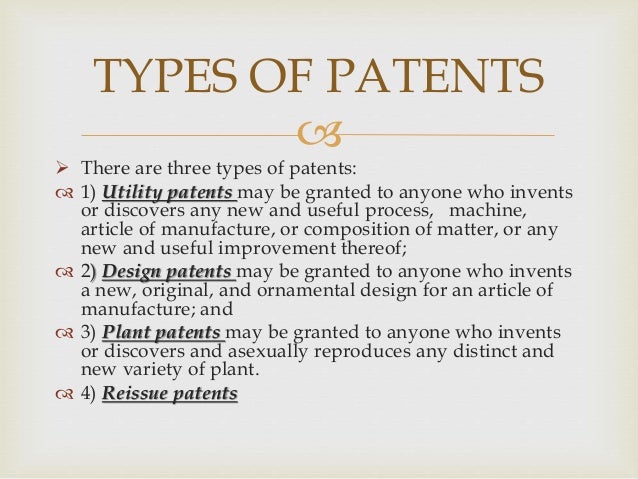
| Utility Patents: These are the most common type of patents and protect new and useful processes, machines, compositions of matter, or improvements thereof. Design Patents: Design patents protect the unique ornamental or aesthetic appearance of an article. Plant Patents: Plant patents protect new varieties of plants that are asexually reproduced. | ||
| 3 | ||

| Patentable Subject Matter | ||
|---|---|---|
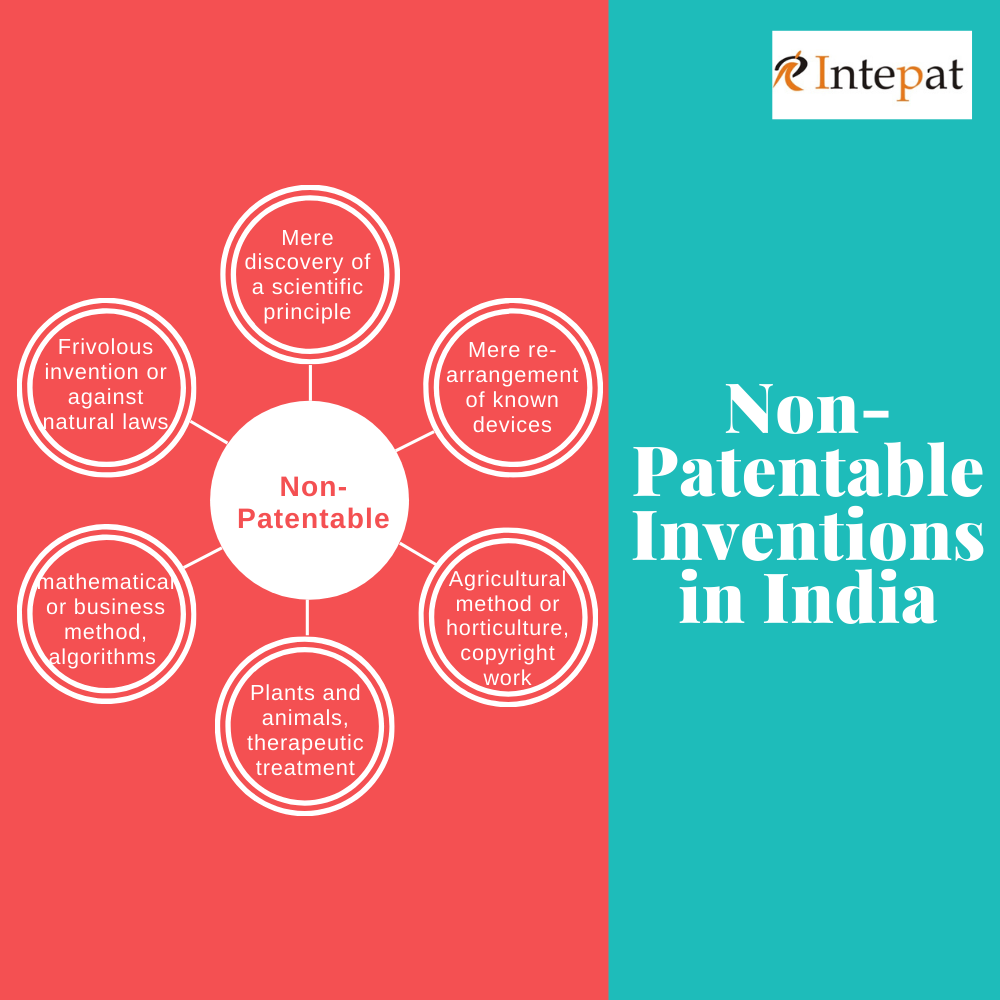
| In India, the Patents Act states that an invention must satisfy certain criteria to be patentable. Patentable subject matter includes new inventions, technological advancements, and processes that are not obvious to a person skilled in the respective field. Software and business methods are also considered patentable subject matter in India. | ||
| 4 | ||
| Patent Application Process | ||
|---|---|---|
| To obtain a patent in India, the inventor must file a patent application with the Indian Patent Office. The application undergoes examination to ensure it meets the patentability criteria. If approved, the patent is granted and published in the Official Gazette. | ||
| 5 | ||

| Rights and Obligations of Patent Holders | ||
|---|---|---|
| Patent holders in India have exclusive rights to use, sell, or license their invention for the duration of the patent. They can take legal action against anyone who infringes their patent rights. Patent holders are also obligated to disclose sufficient information about their invention to the public. | ||
| 6 | ||
| Patent Infringement and Remedies | ||
|---|---|---|
| Patent infringement occurs when someone uses, sells, imports, or manufactures the patented invention without permission. In India, patent infringement can lead to civil or criminal legal proceedings. Remedies for patent infringement include injunctions, damages, and account of profits. | ||
| 7 | ||

| Patent Protection for Pharmaceuticals | ||
|---|---|---|
| India has specific provisions in its Patents Act regarding the protection of pharmaceutical inventions. The Act allows for the grant of compulsory licenses in certain cases to ensure affordability and availability of essential drugs. This provision has led to debates and discussions on balancing patent protection and access to affordable healthcare. | ||
| 8 | ||

| International Treaties and Agreements | ||
|---|---|---|
| India is a signatory to various international treaties and agreements related to intellectual property, including patents. These include the Agreement on Trade-Related Aspects of Intellectual Property Rights (TRIPS) and the Patent Cooperation Treaty (PCT). These treaties harmonize patent laws and provide a framework for international patent protection. | ||
| 9 | ||

| Conclusion | ||
|---|---|---|
| Patents play a crucial role in promoting innovation and protecting the rights of inventors in India. The Patents Act of 1970 governs the legislation surrounding patents in India. It is essential for inventors and businesses to understand the patent system and the rights and obligations associated with it. | ||
| 10 | ||
